Your operation needs consistent cleaning schedules customized for unique hazards, daily throughput, allergen management, and regulatory visits, including auditable records confirming HACCP requirements, compliance audits, and health department standards. The information following provide guidance on sanitation program requirements.
Main Points
- Brampton food safety cleaning experts support restaurants, grocery departments, commissaries, warehouses, bakeries, schools, mobile vendors, and allergen-sensitive operations.
- They disinfect frequently contacted areas, food-contact equipment, kitchens, floors, drains, restrooms, and storage areas using area-specific procedures to reduce cross-contamination.
- Logging of finalization through tests, assessments, and remedial documentation verifies certified contractors have checked approved sanitizer dilution, alignment, and contact time.
- Sanitation calendars need to follow risk, production volume, changeovers, releases, and standards, with regular, regular, and seasonal activities distributed by zone.
- Providers should have HACCP, health regulatory understanding, safety training preparation, protection, endorsements, color-coded instruments, and audit-ready sanitation paperwork.
Brampton Facilities That Need Food Safety Cleaning: Which Ones?
Any Brampton facility that handles, maintains, prepares, packages, or offers food needs food sanitation. You must use it if your establishment falls under health department oversight, food regulations, or HACCP requirements. That requirement covers restaurants, cafeterias, commissaries, grocery food departments, butcher shops, seafood counters, convenience stores, and institutional kitchens.
You'll also need documented food sanitation in supply facilities, manufacturing operations, cold storage warehouses, bakeries, school food programs, reception halls, and delivery services. Portable business models are included, examples being food trucks, festival vendors, and pop-up establishments. When your workers work with ingredients, section ready-to-serve foods, heat meals, or keep allergens stored, your facility requires recorded sanitation procedures. In Brampton, sanitation is mandatory; it forms statutory, functional, and public health compliance.
Which Areas Do Brampton Cleaning Experts Cover?
You require experienced cleaning professionals who disinfect high-touch surfaces, kitchen spaces, floor areas, and bathrooms to maintain food safety and public health requirements. These locations are prioritized because they carry the greatest contamination risk, falling hazards, and health code violations.
If you grasp what they sanitize, you'll successfully ensure your operation satisfies all operational and regulatory compliance needs.
High-Touch Surface Sanitizing
develop a cleaning plan
specified instructions and safety compliance rules. to ensure efficacy. Specialists might utilize surface swabbing to confirm sterilization efficacy
Cooking Zones, Walking Surfaces, and Restroom Environments
Professional cleaners in Brampton concentrate on kitchens, floors, and restrooms given that each location involves specific contamination control, falling hazards, and public health requirements. In industrial kitchens, you need degreasing on cook lines, equipment exteriors, drains, prep surfaces, and splash zones to minimize contamination and pest pressure.
Floor care that is documented should equally be anticipated. Technicians scrub and extract buildup from tile grout, ceramic surfaces, and vinyl floors, then apply appropriate drying controls so you can limit falls and meet regulatory standards. They also address entry points where dampness and dirt enter the building.
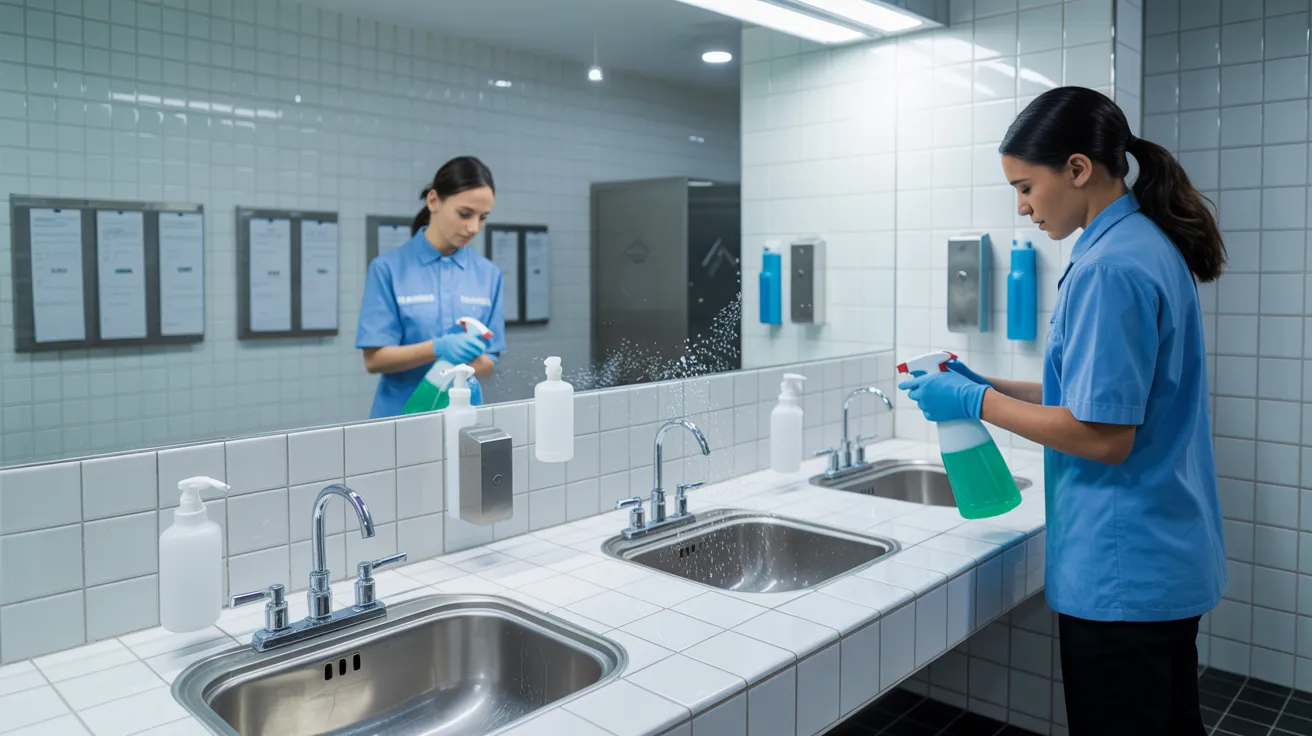
Restroom sanitation requires decontaminating touch areas, bathroom equipment, stall barriers, supply stations, and bins, replacing items and managing smells. They also service restaurant moprooms, where chemical storage, sink hygiene, and drainage conditions can affect sanitation compliance and staff safety daily.
How Food Safety Cleaning Benefits Brampton Operations
To comply with health code requirements and succeed in audits, Brampton establishments must maintain food-safe cleaning standards. You also minimize bacterial spread through proper cleaning of food-preparation surfaces, appliances, and frequently-touched items. Most importantly, you safeguard community wellness by reducing the chance of food poisoning in your establishment.
Sanitary Standards Adherence
Since Brampton food establishments must follow stringent health requirements, your sanitation practices directly impacts your competence to adhere to health codes, ensure the safety of diners, and eliminate regulatory penalties. You must maintain hygienic food handling zones, documented cleaning schedules, proper chemical use, and documented employee protocols that meet municipal and provincial inspection expectations.
When cleaning standards weaken, infractions, remedial directives, reputation damage, and operational disruption from follow-up inspections or compliance reviews become threats.
Contamination Prevention
Maintaining regulatory compliance copyrights on your capacity to prevent cross-contamination during everyday food preparation and sanitation. You need to partition uncooked items from finished dishes, sterilize work zones between assignments, and store chemicals away from food-contact items. Clear procedures reduce transfer risks and reinforce steady regulatory adherence.
You might establish allergen separation to stop main allergens from reaching common areas, containers, or machinery. Apply separate boards, color-marked equipment, and strict utensil labeling so staff don't mix items throughout cooking or delivery. Enforce washing hands following raw meat, seafood, eggs, or allergen-containing products. Swap cleaning rags frequently, and test disinfectant concentration using strips. When you train staff to follow these controls each shift, you create a cleaner, safer operation that matches Brampton's safety requirements daily.
Public Health Protection
When food safety cleaning breaks down, you don't just risk a failed inspection—you heighten the likelihood of foodborne illness impacting customers, staff, and the wider Brampton community. You also undermine your responsibility in protecting public health, especially in high-traffic food premises where pathogens travel quickly through surfaces, equipment, and touchpoints.
You depend on sanitation protocols that eliminate contaminants, effectively sanitize, and ensure effectiveness. This involves maintaining exposure times, deploying approved disinfectants, recording schedules, and training employees to fulfill health-unit expectations. These actions support pathogen control by suppressing pathogens before affecting food surfaces or hands. In Brampton, robust sanitation shields vulnerable populations, minimizes disease spread, and demonstrates accountability. When you adhere to proper protocols, you go beyond regulations—you meaningfully lower danger and advance safer food handling across the region.
How Can Cleaning Practices Ensure Food Safety Compliance?
Maintaining strict sanitation practices strengthens food safety compliance by decreasing contamination threats, controlling pathogen growth, and keeping your facility compliant with sanitation requirements under HACCP-based programs and public health regulations. You validate that food-contact surfaces are visibly clean and microbiologically controlled, enabling documented preventive controls and inspection readiness.
Effective cleaning also reinforces allergen mitigation by clearing residues that can trigger undeclared allergen exposure. by extracting residues that can provoke undeclared allergen exposure.
Finding When to Arrange Commercial Cleaning
peak production periods, product switches, spill events
Schedule drain systems, vents, storage racks, and difficult-to-access zones weekly or every month, using inspection findings and sanitation records.
Finding Quality Brampton Cleaning Experts: A Guide
Start by screening providers against food-safe sanitation requirements, not price alone. You should verify that each company understands CFIA, public health, and HACCP-aligned expectations relevant to your facility. Ask for proof of insurance, WHMIS compliance, documented staff training, and supervision practices. Review whether technicians understand contamination prevention, chemical handling, and traceable sanitation records.
Additionally, you need to evaluate service dependability and responsibility. Obtain references from food facilities in Brampton, then review response detailed information times, corrective measures, and communication practices. Verify the company conducts supplier reviews and can deliver inspection-ready documentation when inspectors or external parties need proof. Verify equipment upkeep, color-coded equipment are applied correctly, and site-specific hazards are identified. A qualified provider ensures compliance, product integrity, and your brand reputation.
What details should a sanitation plan include?
Write out a plan that defines every sanitation task, standard, and responsibility before production begins. You should record cleaning schedules, approved products, ratios, contact periods, tools, and validation approaches for each area, surface, and device. Ensure you include pre-operational inspections, corrective actions, and employee training requirements.
Your plan should also focus on contamination prevention controls, waste handling procedures, pest management measures, and written schedules for rest areas, drains, flooring, and food-contact surfaces. Describe how you'll separate raw and ready-to-eat processes, facilitate ingredient tracking, and maintain accurate allergen labeling through validated cleaning between product changes. You should set accountability, maintain signed records, and assess results against regulatory standards, HACCP controls, and customer requirements. When gaps appear, update procedures immediately and retrain staff.
Frequently Asked Questions about the Plan
Do cleaning services work during nighttime hours at Brampton facilities?
If you manage controlled environments, you'll also require records that support audits and ensure compliance.
Can sanitation professionals handle hazardous incidents?
Yes, you can find many Brampton sanitation experts offering emergency response options. They handle contamination, evaluate risks, isolate zones, and perform swift decontamination to minimize risk and limit operational impact. You should verify response times, training credentials, protocols, and procedures. If your facility needs compliance, choose a service that documents incidents, follows procedures, and supports audits.
Are plant-based disinfectants safe for food preparation areas?
In essence, eco-friendly disinfectants are safe for food-handling equipment provided you source disinfectants approved for food contact that comply with regulatory compliant. Check exposure duration, concentration levels, and rinse protocols before use. Plant based formulas reduce harsh chemical exposure, although you require evidence of effectiveness against relevant pathogens. For maintaining residue free surfaces, implement precise manufacturer instructions and ensure the cleaning agent satisfies food sanitation requirements.
Can sanitation programs adapt with seasonal production changes?
Absolutely, sanitation programs enable modification for seasonal shifts. Revise frequencies, labor allocation, cleaning agents, and testing procedures to fit seasonal workflows while upholding compliance standards. Minimize production downtime through organizing sanitization during line changes, peak seasons, and operational patterns. Further modify procedural documents, instruction programs, and environmental testing to address transient threats, emerging allergens, or higher contamination levels. Ongoing evaluations ensure the schedule efficient.
Do commercial cleaning providers coach your team in proper hygiene techniques?
Certainly, professional cleaning experts coach your staff on sanitation best practices. You secure staff training on correct chemical practices, contact times, contamination control, equipment disassembly, and documentation. They typically align coaching with HACCP, GMP, and CFIA or local public health standards. Many also run health assessments to check standards, identify gaps, and reinforce corrective actions. This helps you maintain consistent procedures, satisfy audits, and reduce food safety risks every day.
Final Thoughts
Partnering with Brampton commercial cleaning and food safety experts goes beyond tidying—it guarantees your operation stays inspection-compliant and your protocols are defensible. From kitchen areas to production zones, each cleaned area and maintained corner lessens contamination risk and prevents major expenses. By scheduling maintenance on appropriate schedules and implementing a thorough cleaning program, you shield your workforce, clients, and your image. In a heavily regulated sector, sanitary conditions are non-negotiable—they're critical to business success.